AlphaFold 5 Years Later: How AI Revolutionized Biology
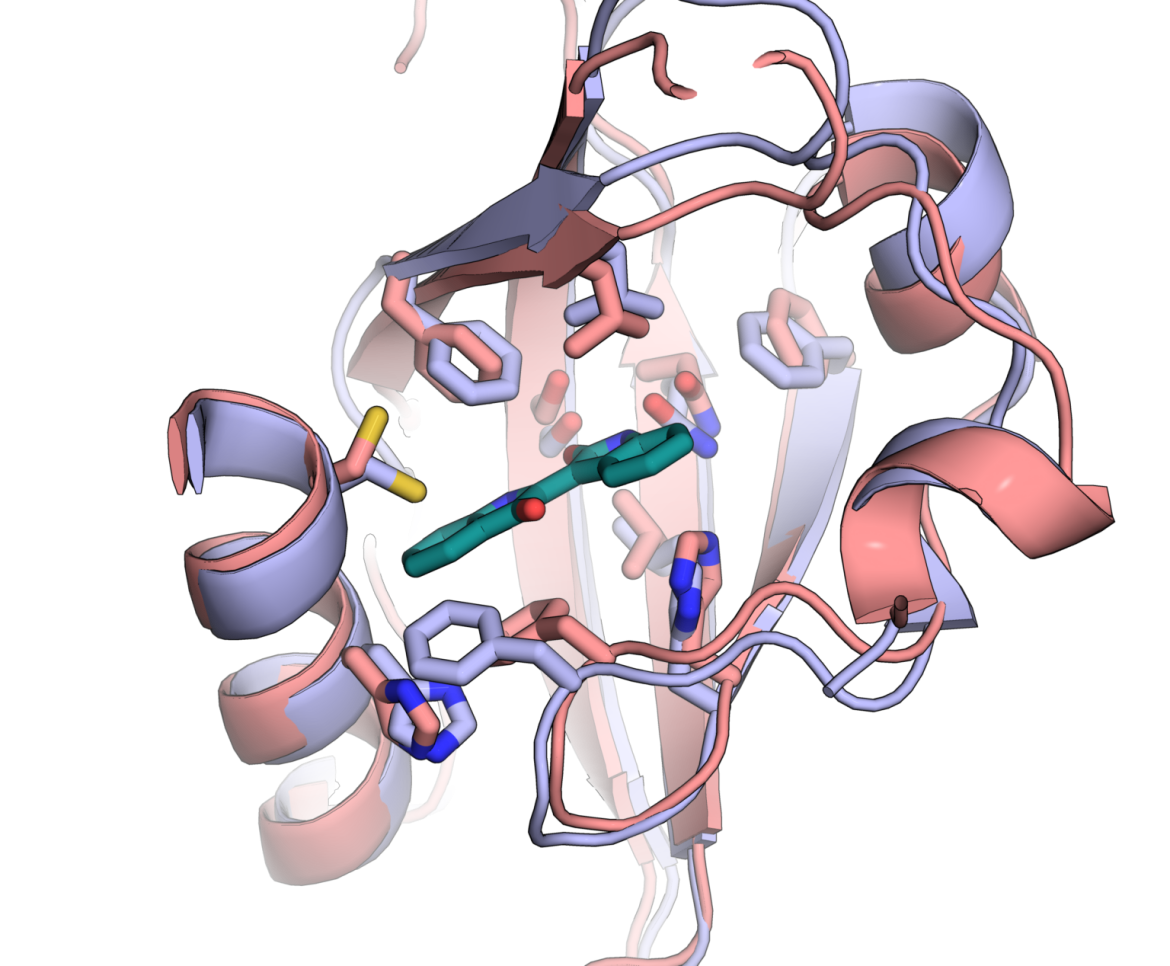
In 2020, DeepMind released AlphaFold 2 and permanently altered the field of structural biology. Five years later, its capacity to predict protein structures using artificial intelligence has accelerated discoveries across medicine, biotechnology, and molecular biology. This is an analysis of a scientific revolution that continues to evolve.
From a Scientific Challenge to a Foundational Tool
Proteins are essential to all biological processes. Their function depends directly on their three-dimensional structure, yet determining those structures was traditionally slow, costly, and difficult to scale.
AlphaFold transformed this landscape entirely.
By enabling reliable computational structure prediction, it removed one of the main bottlenecks in biological research. Scientists can now integrate structural information at the earliest stages of their projects.
According to DeepMind and independent scientific reporting, this shift has produced lasting changes in how modern biology is practiced.
A Global and Measurable Impact
Five years after its debut, the data surrounding AlphaFold’s impact is unequivocal:
- Hundreds of millions of protein structures have been predicted, dramatically expanding the structural knowledge available to researchers, as reported by Nature.
- Accelerated research timelines across molecular biology, medicine, and biotechnology by reducing the time required to explore protein function.
- Shortened discovery cycles: Science Friday has documented how projects that once took years now progress in a fraction of the time.
The report AlphaFold: Five Years of Impact (published November 25, 2025) describes how the system has been integrated into scientific workflows worldwide and contributed to discoveries across multiple disciplines.
The work behind AlphaFold has also received the highest levels of scientific recognition.
How AlphaFold Changed the Practice of Science
Beyond the scale of its database, AlphaFold has reshaped research culture itself.
A new working paradigm: Many laboratories now begin investigations with AI-predicted structures and use experiments to validate or refine them, rather than treating structure determination as an endpoint.
- Lower barriers for smaller research groups
- Faster hypothesis generation
- Broader participation in structural biology
The result is a more computationally integrated approach to biological discovery.
An Evolving System, Not a Finished Tool
AlphaFold is not a static system. Reporting from MIT Technology Review and Yahoo Tech indicates that DeepMind continues to develop the system, extending its reach toward increasingly complex biological modeling.
Important distinction: While these sources confirm ongoing evolution, they also emphasize the need to differentiate validated capabilities from future research directions. Not all potential applications are yet realized or formally confirmed.
Paradigm Shift: Facts and Interpretation
What is firmly established is that AlphaFold represents a transformational change in biology.
Both DeepMind and Nature describe its impact as revolutionary in practical terms: accelerating discovery, expanding access to structural knowledge, and reshaping scientific workflows.
Historical context: Broader comparisons to milestones such as the discovery of DNA structure or genome sequencing remain analytical interpretations rather than official claims. They reflect how the scientific community is beginning to contextualize AlphaFold’s influence.
Conclusion
Five years on, AlphaFold stands as one of the most consequential applications of artificial intelligence in science.
It did not merely solve a technical problem; it restructured the foundations of protein research and demonstrated how AI can act as a catalyst for scientific acceleration.
Looking ahead: As AlphaFold continues to evolve, its long-term implications for medicine, biotechnology, and biological understanding are still unfolding.
What is already clear is that the shift it initiated—from slow experimental dependency to computationally accelerated discovery—is now a permanent feature of modern biology.