New York Enacts a Binding AI Safety Law — Signaling a Shift From Voluntary Ethics to Legal Accountability

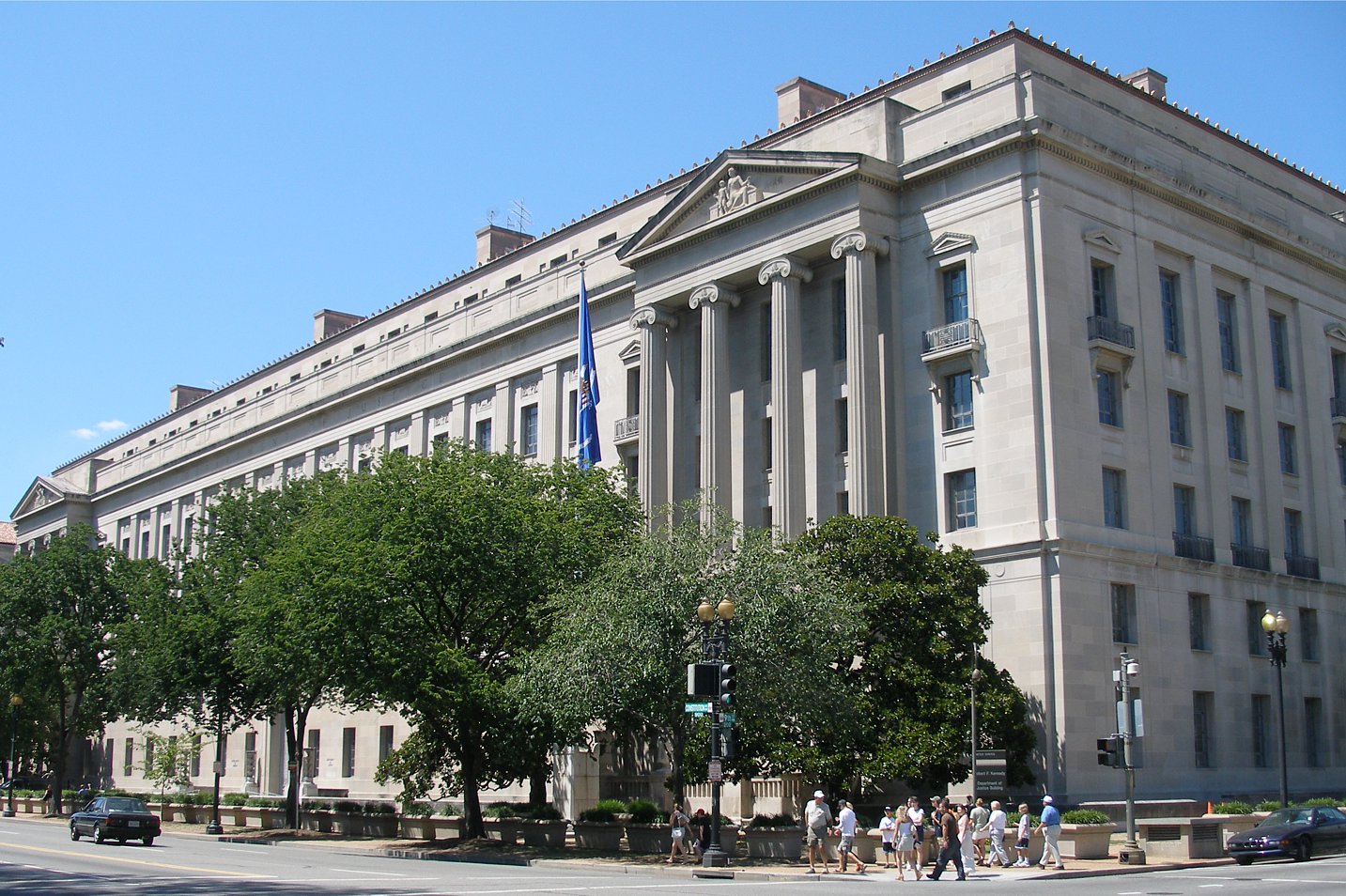
Photo: Susan Watts / Office of Governor Kathy Hochul (official NYC Flickr).
On December 19, New York State quietly crossed a regulatory threshold that much of the artificial intelligence industry has spent years trying to avoid. Governor Kathy Hochul signed into law the Responsible AI Safety and Education (RAISE) Act, establishing mandatory safety and incident-reporting obligations for developers of large-scale artificial intelligence systems.
Unlike the voluntary frameworks and self-regulatory pledges that have dominated AI governance debates, the RAISE Act introduces binding legal duties — and penalties — at the state level. As first reported by Axios , the law applies to companies with annual revenues exceeding $500 million and requires them to implement formal AI safety programs and disclose critical incidents within 72 hours.
From Ethical Guidelines to Enforceable Rules
For years, AI governance in the United States has relied heavily on soft law: ethics principles, risk frameworks, and voluntary commitments promoted by governments and industry coalitions alike. The RAISE Act departs sharply from that model by embedding oversight mechanisms within the New York Department of Financial Services, grant it authority to monitor compliance and enforce reporting requirements.
According to The Wall Street Journal , the law explicitly requires companies to document safety protocols for advanced AI systems and to notify regulators of failures that could pose material risks to the public.
This shift reflects growing skepticism among policymakers that voluntary safeguards are sufficient in an environment where AI systems increasingly influence financial markets, public services, employment decisions, and information flows.
A State-Level Challenge to Federal Restraint
The timing of New York’s move is notable. Federal AI policy in the United States remains fragmented, shaped largely by executive orders and non-binding guidance. In contrast, the RAISE Act positions New York alongside jurisdictions — most notably the European Union — that are advancing hard regulatory constraints on AI development.
The law also highlights rising tensions between state governments and federal efforts to limit subnational AI regulation. As My Journal Courier reports, political leaders in states such as Illinois have openly resisted federal pressure to curb local AI oversight, framing state action as necessary to protect citizens where national frameworks fall short.
Why This Matters Beyond New York
Although the RAISE Act is formally a state law, its implications extend well beyond New York’s borders. Large AI developers rarely tailor compliance on a state-by-state basis; instead, local regulations often become de facto standards shaping global operational practices.
In this sense, New York’s law signals a broader transition: from AI governance as a matter of corporate responsibility to AI governance as a question of democratic control, institutional accountability, and enforceable limits.
As artificial intelligence systems continue to scale in power and reach, the RAISE Act underscores a growing political reality: regulation is no longer a hypothetical future for AI — it is already arriving, jurisdiction by jurisdiction.