EU Opens Antitrust Investigation into Google Over Use of Third-Party Content for AI Training
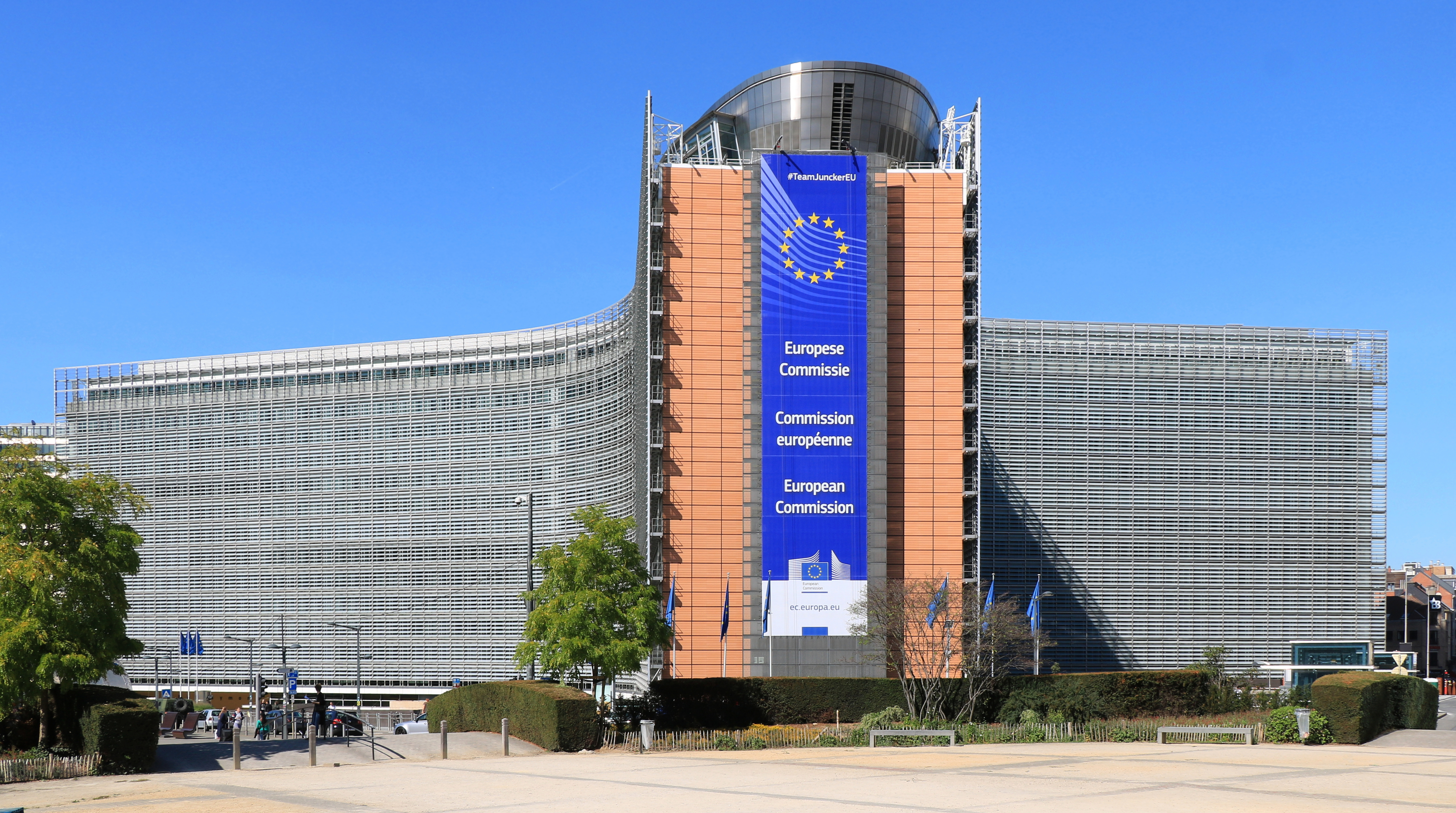
Photo: EmDee / Wikimedia Commons (CC BY-SA 4.0).
Brussels, December 12, 2025 — The European Commission has opened a formal antitrust investigation into Google to assess whether the company has violated EU competition rules by using third-party content — including online news articles and creator-uploaded videos on YouTube — to train and power its generative AI services without providing fair compensation or offering meaningful opt-out mechanisms.
The inquiry focuses on features such as AI Overviews and AI Mode, AI-driven search functions that generate automated summaries and conversational responses directly within Google’s results. Regulators aim to determine whether these services rely improperly on external content without explicit creator consent or equitable access conditions. (European Newsroom)
Competition and Creativity Concerns
According to the Commission, Google’s use of publisher and creator content may be granting the company exclusive competitive advantages, potentially harming rival AI developers and the content producers themselves. Regulators are examining whether Google imposes “unfair terms and conditions” or provides privileged access in ways that distort Europe’s digital market. (Yahoo News)
The investigation also covers the use of YouTube content — a platform owned by Alphabet — and whether creators are being required to accept AI-training clauses without compensation or clear rejection mechanisms. (European Newsroom)
The Commission emphasized that AI innovation must not undermine media pluralism, free access to information, or the creative ecosystem — all core European values. (European Newsroom)
Key Issues Under Review
- Whether Google uses online press content, blogs, and YouTube videos to train AI models without adequate compensation for creators. (Diario Público)
- Whether publishers can refuse the use of their content without negatively impacting their ranking in Google Search. (Diario Público)
- Whether access to data for rival AI developers is being unfairly restricted compared to Google. (European Newsroom)
Broader Regulatory Context
The move comes amid a firmer stance by Brussels toward Big Tech over practices that may undermine competition and pluralism. In recent years, the Commission has imposed multibillion-euro sanctions on Google for abuse of dominance in digital markets such as online advertising and has rigorously enforced regulations like the Digital Markets Act (DMA). (roic.ai)
Experts and press associations have warned that AI-generated summaries may reduce traffic to traditional media, damaging revenues from advertising and subscriptions while strengthening Google’s competitive position by keeping users within its ecosystem. (European Parliament)
Reactions and Current Status
Google has not yet issued an official statement regarding the new investigation. In previous antitrust procedures, the company argued that its innovations benefit consumers and foster competition. Authorities underscore that the opening of an investigation does not prejudge the outcome, and companies retain the right to defend their position throughout the process. (Yahoo News)
Digital rights organizations welcomed the move, calling it an important step toward ensuring that AI development respects both competition and creator rights. (ARTICLE 19)
Possible Consequences
If Google is found to have violated EU antitrust rules — such as Article 102 of the Treaty on the Functioning of the European Union — the Commission could impose fines of up to 10% of Alphabet’s global annual turnover and require structural changes to its AI-related data practices. (euronews)
The case may set a global precedent for how major tech platforms integrate external content into AI systems, shaping the future of creators, publishers, and AI developers worldwide.