SoftBank Bets on AI Infrastructure with $4 Billion DigitalBridge Acquisition
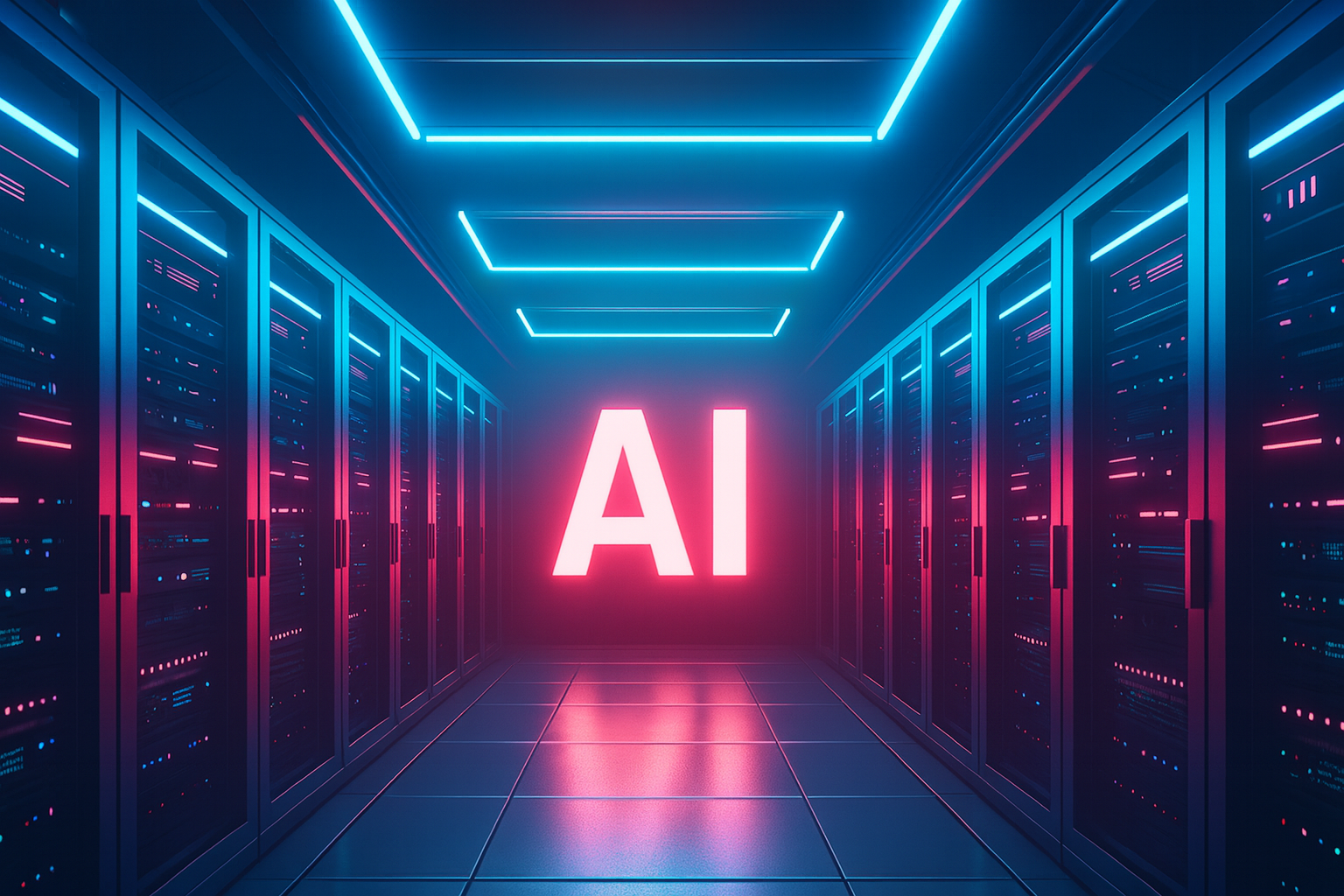
SoftBank’s acquisition of DigitalBridge signals a strategic shift toward the physical foundations of artificial intelligence.
SoftBank Group has announced the acquisition of DigitalBridge Group, a global digital infrastructure investment firm, in a transaction valued at approximately $4 billion. The deal marks a significant move in SoftBank’s long-term strategy to position itself at the center of artificial intelligence infrastructure, beyond software and model development.
As demand for AI capabilities accelerates worldwide, this acquisition highlights a growing recognition: artificial intelligence depends as much on physical infrastructure — data centers, networks, and energy — as it does on algorithms and compute models.
A Strategic Move Toward AI’s Physical Backbone
Announced on December 29, 2025, the agreement values DigitalBridge at $16 per share, representing a premium over its previous market price. The transaction, unanimously approved by DigitalBridge’s board, remains subject to regulatory and shareholder approval and is expected to close in the second half of 2026.
DigitalBridge manages a global portfolio of digital infrastructure assets, including data centers, fiber networks, and connectivity platforms. These assets form the foundation required to train, deploy, and scale modern AI systems.
By acquiring DigitalBridge, SoftBank is effectively securing control over critical infrastructure that underpins large-scale artificial intelligence operations.
Why Infrastructure Matters More Than Ever
Unlike earlier waves of AI investment focused primarily on software and model development, recent capital flows increasingly target the physical layers of the AI ecosystem. Data centers capable of supporting advanced AI workloads require massive investments in land, energy, cooling, and network connectivity.
This shift reflects a broader industry reality: without scalable and resilient infrastructure, the promise of AI-driven innovation cannot be realized. As a result, infrastructure has become a strategic asset — and a source of long-term power.
SoftBank’s move aligns with this trend, positioning the company to influence how and where AI systems are built and deployed globally.
Market and Governance Implications
The acquisition has implications that extend beyond financial markets. Control over AI infrastructure increasingly intersects with questions of governance, regulation, and digital sovereignty.
Governments worldwide are beginning to scrutinize data centers and connectivity networks as critical infrastructure, raising issues related to energy consumption, environmental impact, security, and regional inequality.
From a market perspective, the announcement triggered a sharp rise in DigitalBridge’s share price, reflecting investor confidence in infrastructure-led AI strategies.
AI Power Beyond Algorithms
The SoftBank–DigitalBridge deal underscores a central reality of the AI era: power is no longer concentrated solely in those who design algorithms, but increasingly in those who own the physical systems that sustain them.
As artificial intelligence becomes embedded across industries and public services, infrastructure ownership may shape future debates on competition, regulation, and democratic oversight.
Conclusion
SoftBank’s acquisition of DigitalBridge represents more than a corporate transaction. It signals a strategic recognition that the future of artificial intelligence will be built on physical foundations as much as digital ones.
As AI continues to scale globally, infrastructure — once a background concern — is rapidly becoming a central arena where economic power, governance, and technological leadership converge.