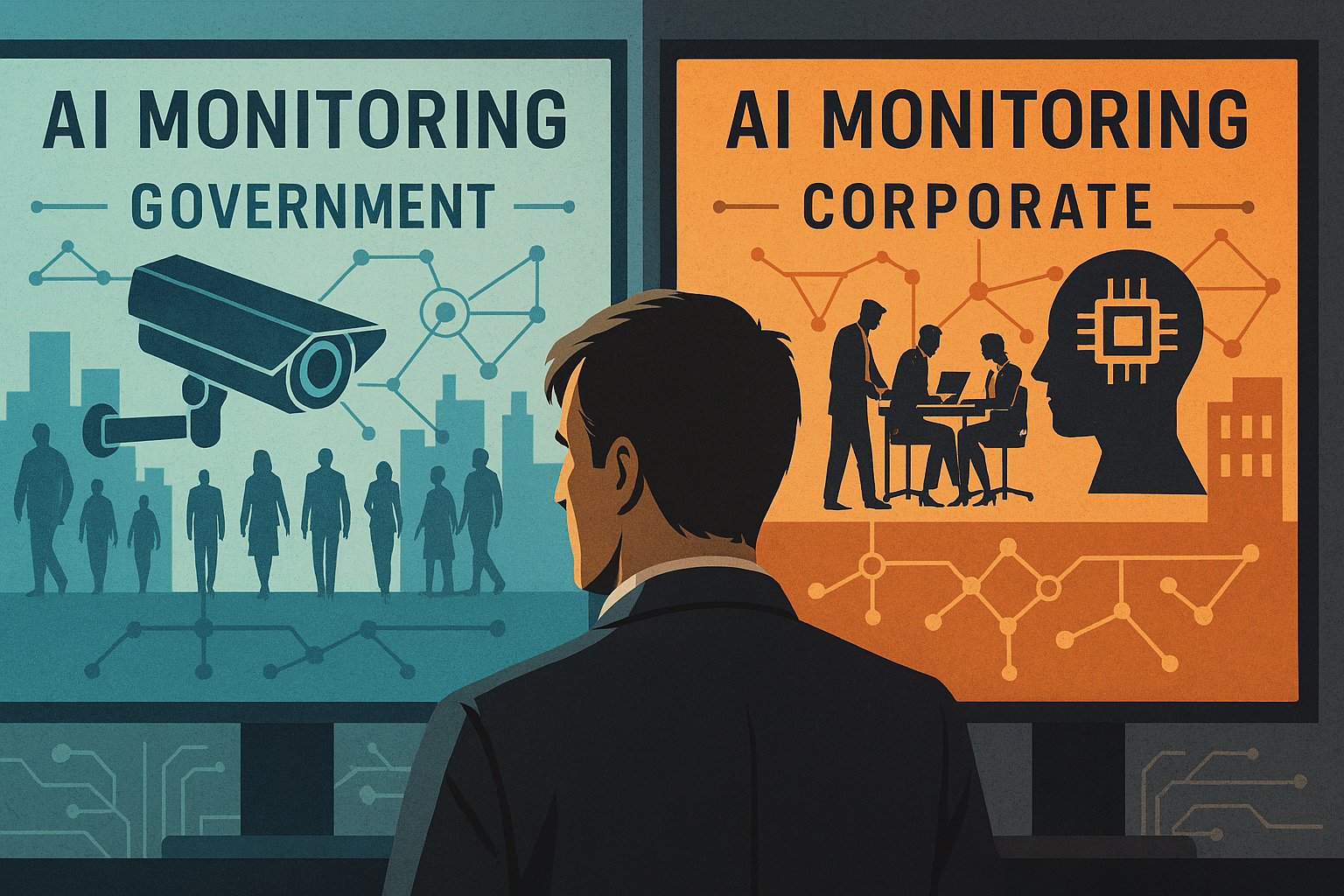
The U.S. Regulatory Counteroffensive: The Federal–State Clash Over AI
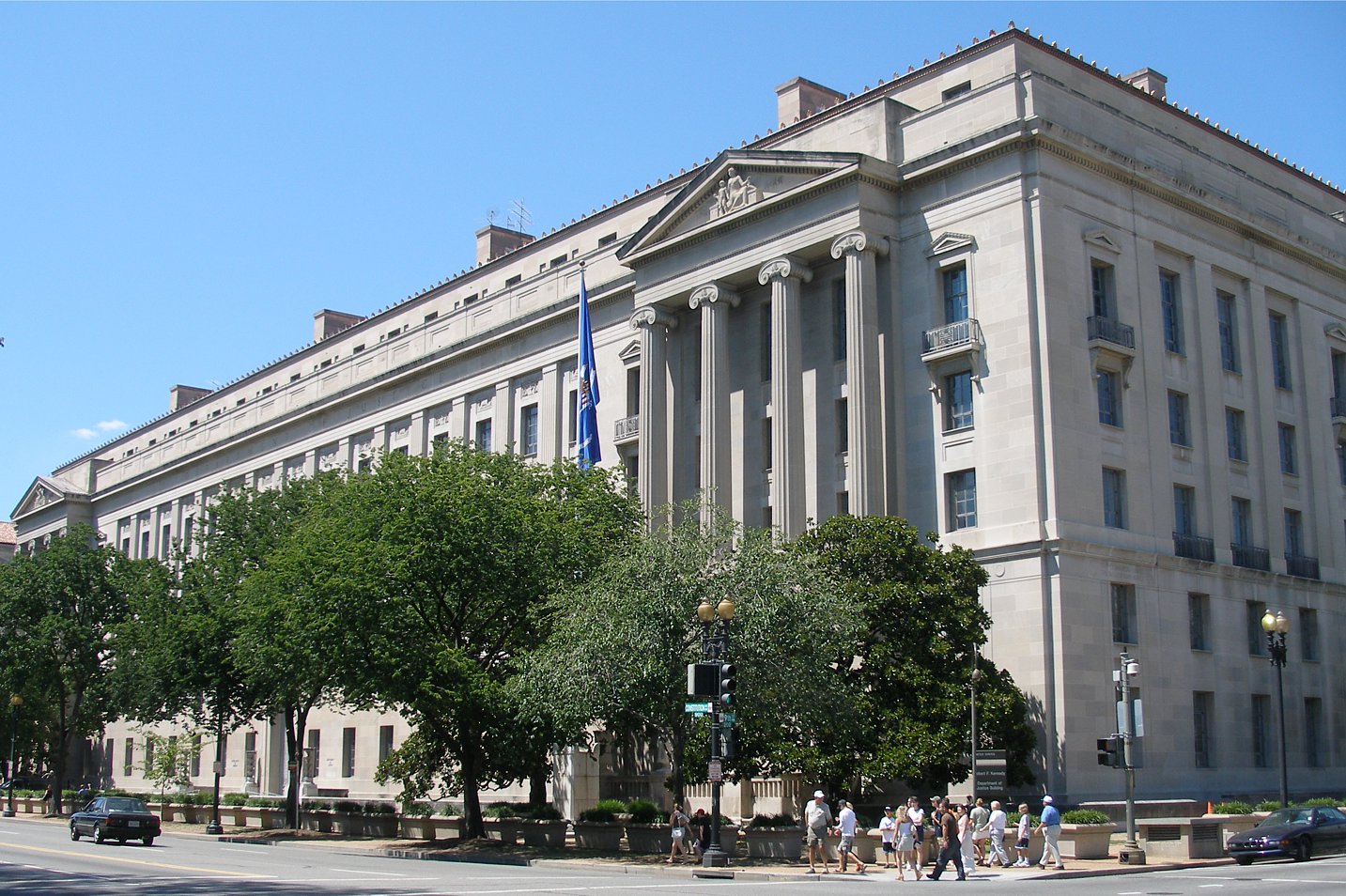
Photo by Wikimedia Commons — CC BY-SA 3.0
An analysis of the December 2025 Executive Order and the emerging jurisdictional conflict between Washington and the states over artificial intelligence governance.
In December 2025, the United States entered a new phase in the governance of artificial intelligence. Through an Executive Order, the federal government articulated a national AI policy framework that seeks to remain “minimally burdensome” while activating legal mechanisms designed to address state-level regulations considered incompatible with that approach.
While the order does not invalidate any state law by itself, its implementation — clarified on December 23 — has placed California and its SB 53 statute at the center of an emerging federal–state jurisdictional dispute with significant implications for innovation, public safety, and constitutional authority.
A federal framework without a federal statute
On December 11, 2025, the White House issued the Executive Order Ensuring a National Policy Framework for Artificial Intelligence, establishing as executive policy the objective of sustaining and enhancing U.S. global leadership in AI through what it describes as a minimally burdensome national framework.
The full text of the order is available via the White House: whitehouse.gov .
The order emphasizes the need to avoid “divergent or inconsistent” state requirements that could affect interstate commerce in advanced computing technologies, grounding its authority in the Commerce Clause. Notably, this strategy unfolds in the absence of a comprehensive federal AI statute enacted by Congress, relying instead on executive authority and agency action.
From policy statement to legal instrument
A central operational element of the Executive Order is the directive to the Department of Justice to establish an AI Litigation Task Force. This unit is tasked with monitoring state AI laws, evaluating potential conflicts with federal authority, and pursuing litigation or amicus interventions where deemed appropriate.
Further details on the Task Force’s scope and intended operation were outlined on December 23, as summarized in legal analyses published by major law firms such as Mayer Brown: mayerbrown.com .
The order also allows federal agencies to condition certain discretionary funds — including broadband and digital infrastructure grants — on states refraining from adopting or enforcing AI laws assessed as imposing undue burdens under the national framework. The precise boundaries of what constitutes such burdens remain to be defined through practice.
California SB 53 as a regulatory test case
Among the state laws most frequently cited in external legal and policy analyses is California’s Safe and Secure Innovation for Frontier Artificial Intelligence Models Act (SB 53), which was signed into law in September 2025. The Executive Order itself does not mention SB 53 or any other state statute explicitly.
SB 53 focuses on frontier AI systems defined by critical risk capabilities rather than explicit economic thresholds. Its provisions include governance and safety obligations, external audits, rapid incident reporting requirements, and a mandated Full Shutdown Capability for high-risk systems.
A detailed overview of the law is available from the Brookings Institution: brookings.edu .
California’s response and a clash of regulatory philosophies
California officials have defended SB 53 as a legitimate exercise of the state’s police powers in the absence of a federal AI safety regime. In official communications, the state argues that transparency requirements and preventive safeguards are necessary to mitigate the risks posed by increasingly capable AI systems.
One such response was published by the Governor’s office: gov.ca.gov .
Legal analysts characterize the situation as a jurisdictional dispute between a federal approach oriented toward regulatory uniformity and reduced compliance burden